Understanding the Psychology of a Crush
The experience of having a crush is one that many can relate to, regardless of age or background. This infatuation often feels intense and consuming, sparking feelings of excitement, nervousness, and hope. But what exactly happens in our minds when we develop this strong attraction? Understanding the psychology behind a crush can provide insights not only into our feelings but also into how we navigate relationships. Moreover, acknowledging the psychological effects can help us make more informed decisions about our personal interactions. When exploring options, crush on provides comprehensive insights into the nuances of romantic attraction that are vital in today's modern dating landscape.
What Happens in the Brain When You Have a Crush?
A crush triggers a complex biochemical response in the brain. When attracted to someone, the brain releases a cocktail of hormones such as dopamine, norepinephrine, and serotonin. Dopamine, often referred to as the "feel-good" neurotransmitter, plays a crucial role in the pleasure and reward pathways of the brain. This release can lead to heightened feelings of euphoria, increased energy, and obsessive thoughts about the person we are attracted to.
Norepinephrine contributes to our physical reactions, like sweating and an increased heart rate, mirroring the effects of anxiety. Meanwhile, serotonin levels may drop, influencing our mood and increasing compulsive behaviors. Hence, these chemical reactions can explain why having a crush feels exhilarating yet precarious.
Common Misconceptions About Infatuation
Many people confuse a crush with genuine love, leading to unrealistic expectations. Infatuation is characterized by its intensity and short duration, often fueled by idealization of the other person. In contrast, love develops more gradually and relies on deeper understanding and connection. Understanding this distinction is vital for anyone navigating romantic feelings, as it can help avoid the pitfalls of placing undue pressure on oneself or the other person in a budding relationship.
How Your Past Affects Current Crushes
Our previous romantic experiences significantly shape our current perceptions of attraction and attachment. Factors like past heartbreak or the absence of affection in formative relationships may create patterns in how we approach new crushes. For instance, someone with a history of unrequited love might unconsciously repeat this cycle, leading to similar emotional outcomes. Recognizing these patterns allows us to confront and alter behaviors, facilitating healthier relationships moving forward.
Navigating Modern Dating
In today's digital age, navigating dating can be overwhelming yet exciting. With numerous platforms available, understanding best practices becomes essential. Additionally, identifying potential red flags early can save time and emotional distress. Throughout this section, we will explore effective communication techniques that can enhance your dating experiences.
Best Practices for Online Dating Success
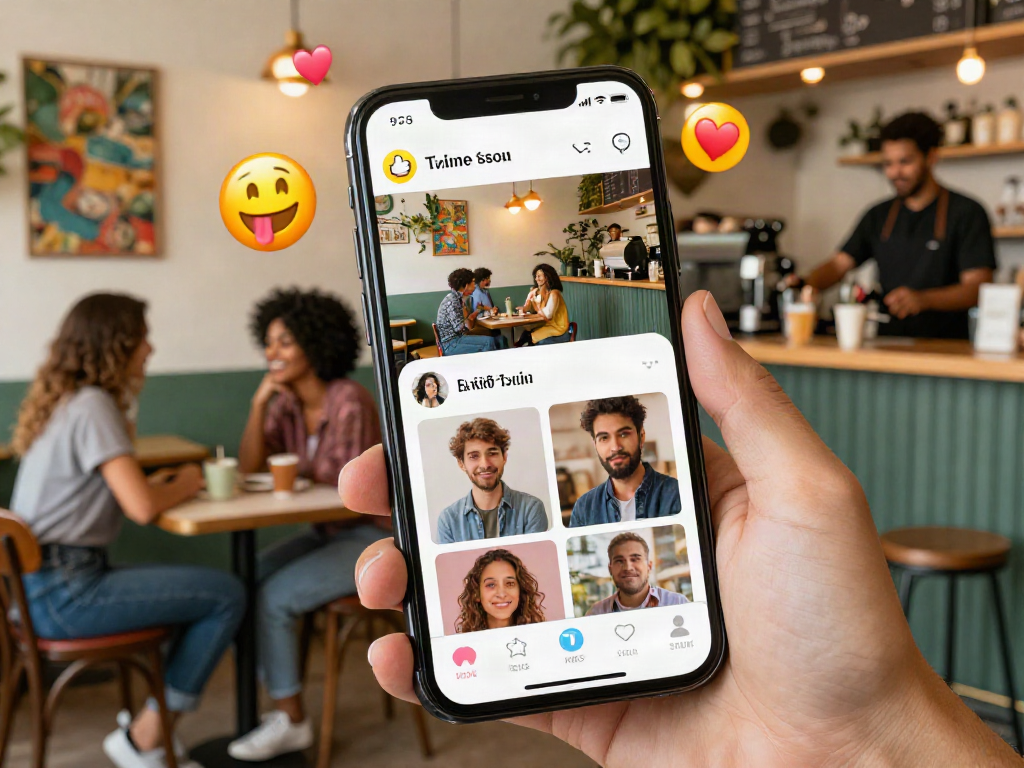
Online dating has transformed the way people connect, but success requires an understanding of how to present oneself authentically. Crafting a genuine profile with clear and appealing photos, combined with an engaging bio, significantly increases the chances of attracting suitable matches. Always be honest about your intentions and interests; this transparency helps filter out incompatible partners.
Moreover, proactively engaging with potential matches through thoughtful messages fosters a deeper connection right from the start. Utilize humor and ask open-ended questions to encourage dialogue, as these techniques often lead to more meaningful exchanges.
Identifying Red Flags Early in Relationships
Recognizing red flags is crucial in the dating process. Pay attention to behaviors indicating lack of respect, excessive jealousy, or unwillingness to communicate openly. These traits can lead to larger issues down the line. Trust your instincts; if something feels off, it's important to address your concerns early on. Healthy relationships are built on trust, respect, and mutual understanding.
Effective Communication Techniques in Dating
Communication forms the backbone of any relationship. Developing effective techniques—such as active listening, expressing feelings honestly, and using "I" statements—can significantly improve interactions with your crush or partner. It’s essential to articulate your needs while also being receptive to their perspective. This mutual exchange strengthens bonds and fosters intimacy, making it easier to navigate disagreements when they arise.
Building Confidence and Self-Esteem
Confidence plays a significant role in dating. Preparing mentally for a crush encompasses cultivating a positive self-image and recognizing your self-worth. In this section, we’ll discuss ways to enhance your self-esteem and provide tips on overcoming the fear of rejection.
How to Prepare Mentally for a Crush
Embracing the possibility of a crush involves mental preparation. Start by affirming your strengths and values; this self-acceptance fuels the confidence needed to approach potential partners. Engage in activities that boost your mood and self-esteem, such as exercise or pursuing hobbies that bring you joy. Moreover, surrounding yourself with supportive friends can reinforce positive self-perception.
Overcoming Fear of Rejection
The fear of rejection can be paralyzing, often preventing us from pursuing potential connections. To combat this fear, reframe your mindset: view each interaction as an opportunity to learn rather than a high-stakes encounter. Remember, everyone experiences rejection; it’s a natural part of dating. Building resilience through positive self-talk and focusing on personal growth can help alleviate the fear of failing to connect.
Self-Care Tips for Dating
Prioritizing self-care can bolster your confidence and mental health while dating. Implementing practices such as journaling your experiences, practicing mindfulness, and pursuing interests outside of relationships ensure you maintain a sense of individuality. Furthermore, learn to celebrate small victories along your dating journey, reinforcing a sense of accomplishment, regardless of the outcome.
Tips for Making the First Move
Making the first move can be daunting, but there are creative ways to express interest without overwhelming yourself or the other person. This section will provide guidance on how to approach the initial stages of interaction, when to escalate things, and common pitfalls to avoid while pursuing a crush.
Creative Ways to Express Interest
Expressing interest can take various forms, from lighthearted banter to subtle compliments. Utilize humor and genuine curiosity as tools to gauge the other person's feelings. Engaging in shared activities or discussions can create a natural, comfortable environment that fosters connection. For instance, if you share a common interest, suggesting an outing related to that topic can be an effective way to break the ice.
When to Take Things to the Next Level
Recognizing the appropriate moment to escalate a relationship can be complex. Look for mutual signals such as prolonged engagement in conversation, shared laughter, and eagerness to spend time together. Once you feel a connection is established, consider expressing your feelings clearly and respectfully. Clarity about your intentions can streamline understanding and set the stage for a deeper relationship.
Common Mistakes to Avoid When Pursuing a Crush
While pursuing a crush, it’s crucial to avoid certain missteps that could hinder your efforts. Over-analyzing texts or messages can lead to misunderstandings; instead, focus on the overall dynamic. Avoid coming on too strong or bypassing natural progression in the relationship; patience is key. Lastly, ensure that you leave space for the other person to reciprocate their feelings, fostering a balanced interaction.
Future Trends in Dating and Relationships
As we approach 2026, several trends are likely to shape the landscape of dating and relationships. Technology continues to evolve, creating both opportunities and challenges in how people connect. This section will delve into the anticipated impact of technology, the shaping of dating apps, and the changing social norms around dating.
The Role of Technology in Shaping Relationships by 2026
Technology is transforming the way we form connections. Virtual reality (VR) and augmented reality (AR) are poised to play a more prominent role, offering immersive dating experiences that bridge geographical and emotional distances. AI-driven platforms will further personalize dating experiences, aligning individuals with compatible partners based on complex algorithms that consider relationship goals and personality traits.
Predictions for Dating Apps and Platforms
In the future, dating apps will likely become more inclusive, accommodating diverse relationship structures and preferences. Platforms that prioritize safety, community, and genuine interactions will gain traction, as users become increasingly wary of superficial connections. Enhanced verification processes and features promoting accountability will also be significant trends as users seek meaningful relationships.
How Social Norms Around Dating Are Changing
Social norms are shifting as younger generations challenge traditional dating conventions. There’s a growing acceptance of non-monogamous relationships, and many individuals prioritize emotional connections over labels. Moreover, conversations surrounding mental health and well-being are becoming integral to dating culture, encouraging individuals to approach relationships more holistically. This transformation reflects a broader understanding of the complexities of love and attraction in modern society.