

Understanding Auto Window Tinting
What is Auto Window Tint?
Auto window tint refers to the application of a thin film to the windows of vehicles. This film is designed to reduce glare, enhance privacy, and filter out harmful ultraviolet (UV) rays from the sun. The tinting process typically involves applying a polyester film that’s adhered to the interior surface of the glass. The thickness of this film can vary and is usually measured in microns, with a range available to suit different preferences and legal regulations.
Benefits of Auto Window Tint
Installing auto window tint comes with a plethora of advantages. Some of the most significant benefits include:
- UV Protection: Tinted windows can block up to 99% of harmful UV rays, protecting the skin of drivers and passengers. This can also help in reducing the risk of skin cancer.
- Heat Reduction: Tints help to keep the interior of the vehicle cooler by reflecting sunlight away, which can lead to lower air conditioning usage and fuel efficiency.
- Glare Reduction: Tinting significantly reduces glare, providing a more comfortable driving experience, particularly in bright sunlight.
- Increased Privacy: Tinted windows offer an additional layer of privacy by making it difficult for outsiders to see into the vehicle.
- Enhanced Appearance: A professional window tint can upgrade the aesthetic appeal of any vehicle, giving it a more polished look.
Types of Window Tint Films
There are several types of window tint films available, each designed for specific needs and preferences:
- Dyed Window Film: This film is popular for its cost-effectiveness and aesthetic appeal. It absorbs solar energy and can help reduce glare, but it may not offer the same level of UV protection as other types.
- Metalized Window Film: Incorporating metallic particles, this film reflects heat and UV rays, providing better thermal insulation and durability. However, it can interfere with mobile devices and GPS signals.
- Ceramic Window Film: This premium option provides excellent heat rejection and UV protection without interfering with electronic devices. It is more expensive but offers superior performance and durability.
- Carbon Window Film: Carbon films provide a textured, matte finish and excellent UV protection while being more affordable than ceramic films.
Finding Auto Window Tint Near Me
How to Search for Local Services
Finding reliable auto window tint services can be an easy task with the right approach. Start by using search engines to look up auto window tint near me. Focus on local directories and map services, which often showcase user ratings and reviews to help you gauge service quality. You can also leverage social media platforms or community forums for recommendations. Referrals from friends or family can also direct you to reputable local tinting professionals.
Evaluating Service Providers
Once you’ve compiled a list of potential auto window tint providers, it’s crucial to evaluate their qualifications. Look for services with extensive experience, certifications, and specialized knowledge in tinting materials. Ask about warranties and the specific tinting materials they use to ensure you’re getting high-quality products. Additionally, inquiring about their installation processes can give you insight into their professionalism and attention to detail.
The Importance of Reviews and Recommendations
Customer reviews and recommendations are invaluable when selecting an auto window tint service. They provide firsthand accounts of the experiences of other customers regarding both the quality of the tinting work and customer service. Take the time to read through online reviews on trusted platforms, checking for consistency in the feedback, to help make an informed decision. Positive recommendations from trusted sources can help you find service providers you can rely on.
Installation Process of Auto Window Tint
Preparation and Initial Steps
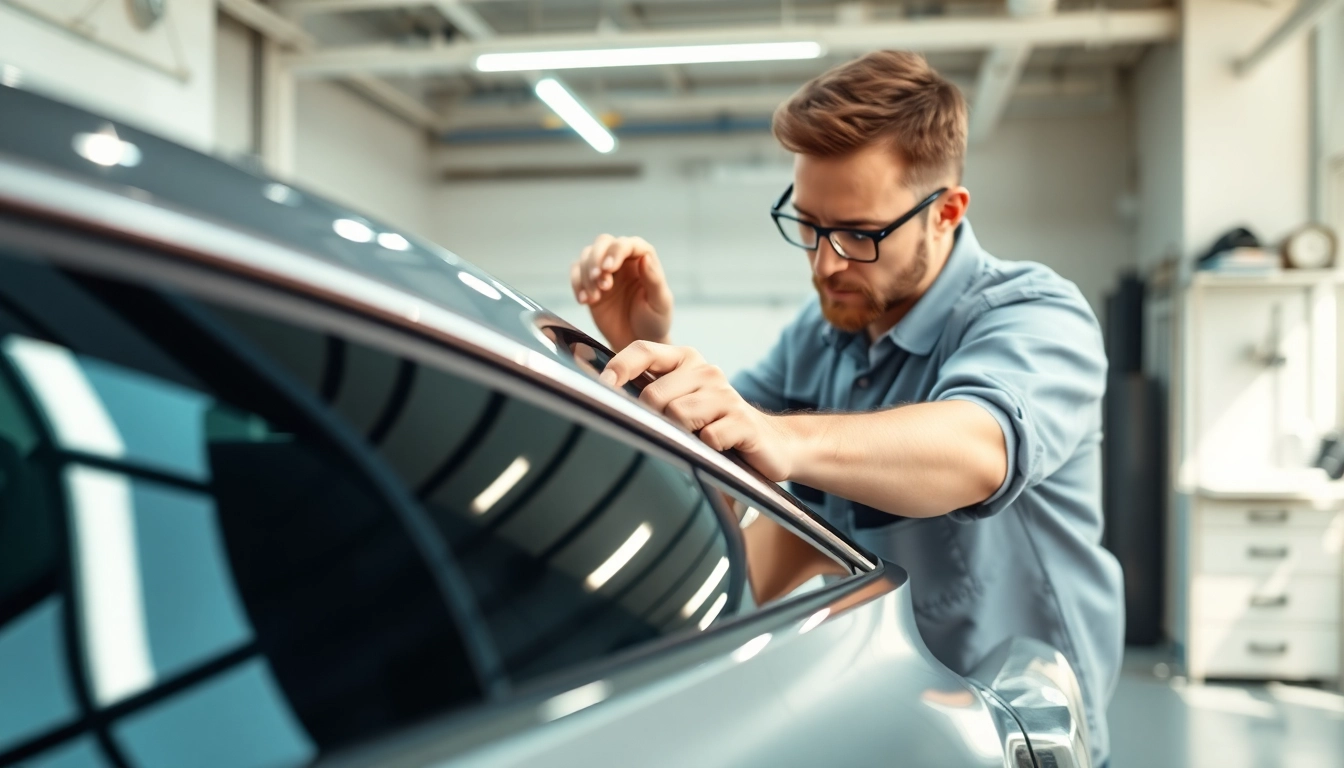
The installation of auto window tint requires careful preparation. The process starts with cleaning the windows thoroughly to remove any dirt, dust, or grease that could affect adhesion. Professionals will often use specialized cleansers to ensure the glass is spotless. Following this, measurements are taken to determine the necessary size for each window before cutting the film to size. Having an experienced technician handle these initial steps is essential for a seamless installation.
Techniques for Professional Installation
Professional installation involves several techniques to ensure a flawless application. First, the tint film is applied with precision, starting from one edge and gradually smoothing it out towards the other to avoid bubbles. Heat guns may be used to help contour the film to the shape of the window, allowing it to adhere properly around curves. Finally, any excess film is carefully trimmed away to achieve a clean finish.
Common Challenges and How to Overcome Them
During the installation process, several common challenges can arise. One issue is the formation of air bubbles, which can occur if dirt gets trapped under the film. To remedy this, technicians utilize specialized tools to smooth out bubbles during application. Another potential problem is mismatched or uneven edges, which can be addressed by re-cutting the film on-site. By hiring experienced professionals, you can mitigate these challenges and ensure a high-quality installation.
Maintenance Tips for Auto Window Tint
Cleaning and Care Instructions
Proper maintenance is vital to extending the lifespan of your auto window tint. To clean tinted windows, use a soft microfiber cloth and gentle cleaning solutions that are ammonia-free, as ammonia can damage window tint. Avoid abrasive materials that can scratch the film. Regular cleaning helps maintain the appearance and functionality of the tint, ensuring it continues to provide benefits including UV protection and reduced glare.
Recognizing Damage and Repairing Tints
Over time, window tint can suffer from wear and tear, resulting in bubbling, discoloration, or peeling. It’s important to regularly inspect the tint for any signs of damage. If you notice bubbling or peeling, it may be necessary to consult a professional for repairs or replacement. In some cases, localized repairs can be made, while in others, full reinstallation may be recommended to restore the originally intended performance.
Maximizing the Lifespan of Your Tint
To maximize the lifespan of your auto window tint, avoid parking in direct sunlight for extended periods whenever possible, as this can exacerbate fading and bubbling. Additionally, consider applying a protective film over your tint for enhanced durability against scratches and UV exposure. Ensuring that professional installation is performed correctly is also key to longevity.
Frequently Asked Questions about Auto Window Tint Near Me
How long does auto window tint last?
Auto window tint typically lasts anywhere from 5 to 15 years, depending on the quality of the film and maintenance practices. High-quality films tend to have a longer lifespan.
Is window tinting legal in my state?
Window tint laws vary by state, including regulations on the darkness and reflectivity of the tint. It’s essential to check local laws to ensure compliance before installation.
Can I do it myself, or should I hire a professional?
While DIY kits are available, hiring a professional is recommended for the best results. Professionals have the expertise and tools to avoid common installation pitfalls.
Will window tint keep my car cooler?
Yes, window tint can significantly reduce heat inside a vehicle by blocking UV rays and infrared light, leading to a more comfortable interior temperature.
What are the warranty options for auto window tint?
Warranty options can vary widely by material and service provider. High-quality films typically come with warranties covering both fading and peeling for several years.
