

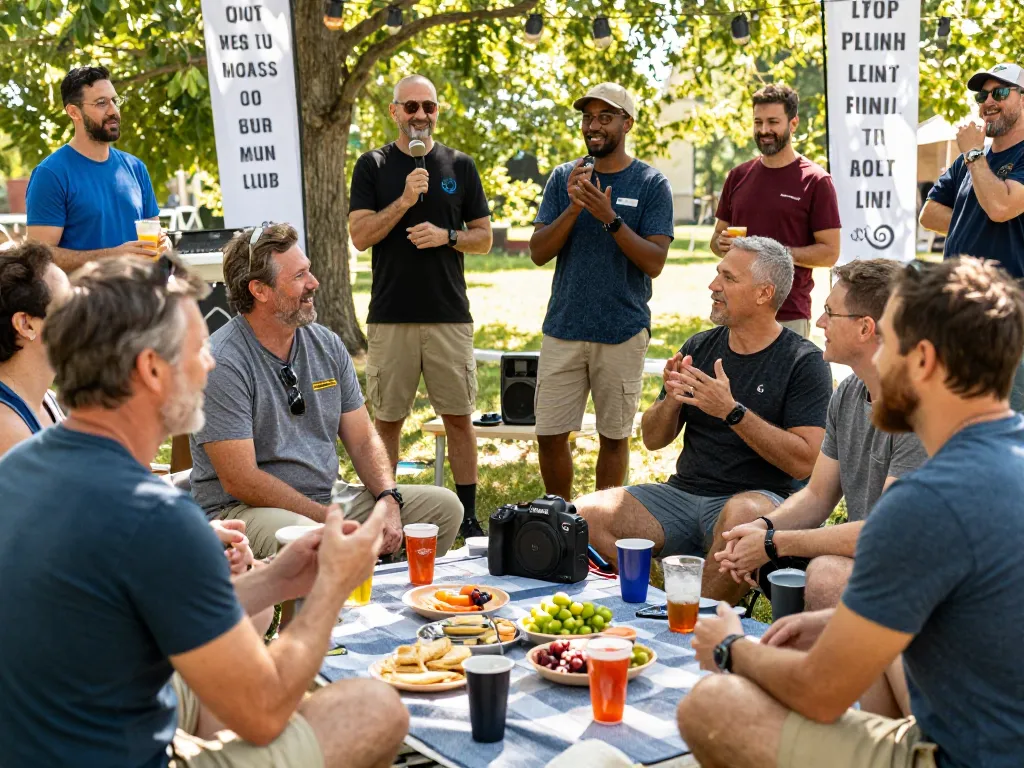
The Importance of Men’s Communities
In today’s fast-paced society, the need for supportive networks is more crucial than ever, especially for men. Men’s communities, or man club, serve as a vital outlet for discussing issues, sharing experiences, and building camaraderie. These groups foster a sense of belonging, help break down emotional barriers, and provide an environment where men can seek support without fear of judgment. Understanding the significance of these communities can be the first step in promoting mental well-being for men.
Understanding the Concept of a Man Club
A man club is not merely a social gathering but a comprehensive support network designed to address various aspects of men’s lives. Traditionally, these clubs have roots in the concept of gentlemen’s clubs, which initially focused on providing men with a place to socialize and network. Today, man clubs encompass a broader purpose, focusing on personal growth, mental health, and community engagement.
In a man club, members can engage in open discussions about life’s challenges, share resources, and support one another through different life stages. This inclusive approach encourages a sense of accountability and fosters a culture of openness.
Benefits of Joining a Man Club
Joining a man club can have profound benefits for members. Here are just a few notable advantages:
- Emotional Support: Members can share personal struggles and receive encouragement from peers who understand their experiences.
- Networking Opportunities: Men can exchange ideas, career advice, and personal development tips, enhancing both personal and professional growth.
- Mental Health Awareness: Man clubs often emphasize the importance of mental health, encouraging members to seek help when needed and promoting discussions around emotional well-being.
- Community Engagement: Many clubs participate in local community service projects, fostering a sense of purpose and collective achievement.
Common Misconceptions About Men’s Support Groups
While man clubs are growing in popularity, several misconceptions still surround them. Here are a few common myths:
- They Are Just for Socializing: While social interaction is a part of man clubs, their core purpose extends far beyond simple banter.
- Only Weak Men Attend: Seeking help and support is a sign of strength, not weakness. Members often demonstrate courage by confronting their challenges.
- Men Can’t Talk About Feelings: Man clubs create a safe space for emotional expression, debunking the myth that men cannot discuss their feelings openly.
How to Create a Successful Man Club
Establishing a man club requires careful planning and commitment. Below are key strategies that will help in organizing a successful community for men.
Key Strategies for Organizing Gatherings
The frequency and format of meetings should cater to the interests and availability of members. Consider incorporating various activities such as:
- Workshops: Host sessions focused on personal development or specific skills.
- Casual Meetups: Regular gatherings in relaxed environments can make attendance easier and more appealing.
- Guest Speakers: Inviting experts to talk about relevant topics can enrich the experience and provide valuable insights.
Creating a Safe and Welcoming Environment
A successful man club prioritizes the emotional safety of its members. Establishing ground rules for respectful communication and confidentiality can help create a sense of trust. Encouraging an inclusive atmosphere ensures all voices are heard, reinforcing the idea that every member has valuable contributions.
Engaging Activities and Discussions for Members
Activities should be designed to foster connection. Group discussions on topics such as mental health, career challenges, and family dynamics can be beneficial. Additionally, engaging in recreational activities like hiking, sports, or group cooking can build bonds outside traditional discussions.
Addressing Mental Health in Man Clubs
As mental health awareness continues to grow, man clubs play an essential role in addressing these issues among men. Here are some critical areas to focus on:
Recognizing Signs of Mental Health Struggles
Being able to identify signs of distress in oneself and others is vital. Symptoms such as withdrawal from social activities, changes in mood, or shifts in behavior should be taken seriously. Man clubs can provide training on recognizing these signs and encouraging members to reach out for support.
Implementing Peer Support Mechanisms
Peer support is one of the most valuable resources in a man club. Establish informal mentoring relationships where members can turn to each other for advice and support during challenging times. Additionally, implementing structured peer support groups can offer a more formalized approach to addressing mental health concerns.
Resources for Mental Health Awareness
Encouraging members to utilize mental health resources is crucial. This can include providing information about local therapists, hotlines, and online resources for mental health assistance. Collaborating with mental health organizations can also enhance the support network for club members.
Building Long-Term Relationships within Man Clubs
Creating lasting bonds among members is essential for the longevity and effectiveness of the club. Here’s how to foster those relationships:
Best Practices for Fostering Connection
Encourage members to share personal stories and experiences as a way of building rapport. Regularly scheduled activities, both serious and light-hearted, can help in creating strong, personal ties among members.
Celebrating Milestones and Achievements Together
Acknowledging the achievements of members, whether personal or professional, can strengthen the collective spirit of the group. Celebrate birthdays, job promotions, or personal milestones as a way to reinforce that everyone’s successes are valued.
Encouraging Mentorship and Leadership Roles
Encouraging experienced members to take on mentorship roles can help guide newer members. This can enhance the club’s sense of community while providing opportunities for growth and leadership within the group.
Future Trends for Man Clubs in 2026
The landscape of man clubs continues to evolve. Here are some trends expected to shape the future of these communities:
Adapting to Changing Cultural Norms
As societal attitudes towards masculinity and mental health change, man clubs will need to adapt. Emphasizing vulnerability and emotional intelligence is becoming increasingly important and appealing to younger generations of men.
Leveraging Technology to Enhance Connectivity
With the rise of technology, many man clubs will develop online platforms for virtual meetings, forums, and discussions. This accessibility will allow for broader participation and connection among members who may not be able to attend in person.
Expanding Inclusivity and Diversity within Clubs
Today’s man clubs are moving towards inclusivity, welcoming men of diverse backgrounds and experiences. This approach not only enriches discussions but also helps dismantle stereotypes about masculinity.
What is a Man Club?
In essence, a man club is a community dedicated to enhancing the lives of men through mutual support, understanding, and engagement. Far from just being a social venue, it is a pivotal space for growth and healing.
How Do Men’s Clubs Benefit Mental Health?
Men’s clubs play a vital role in promoting mental health by providing a platform for open discussions about struggles and vulnerabilities. They foster environments that encourage seeking help and sharing experiences, combating the stigma often associated with mental health issues.
Are Men’s Support Groups Still Relevant Today?
Absolutely. In today’s context, with rising awareness about mental health and societal pressures, men’s support groups remain crucial. They provide necessary support and community during an era where emotional stress is increasingly recognized.
